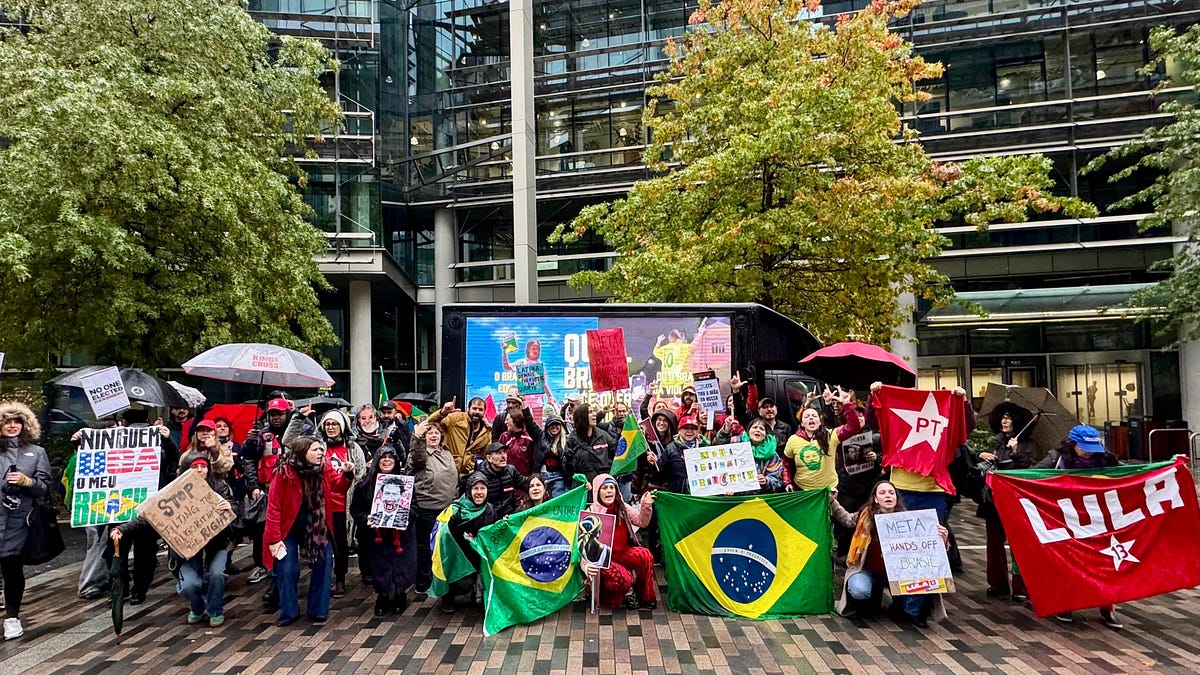
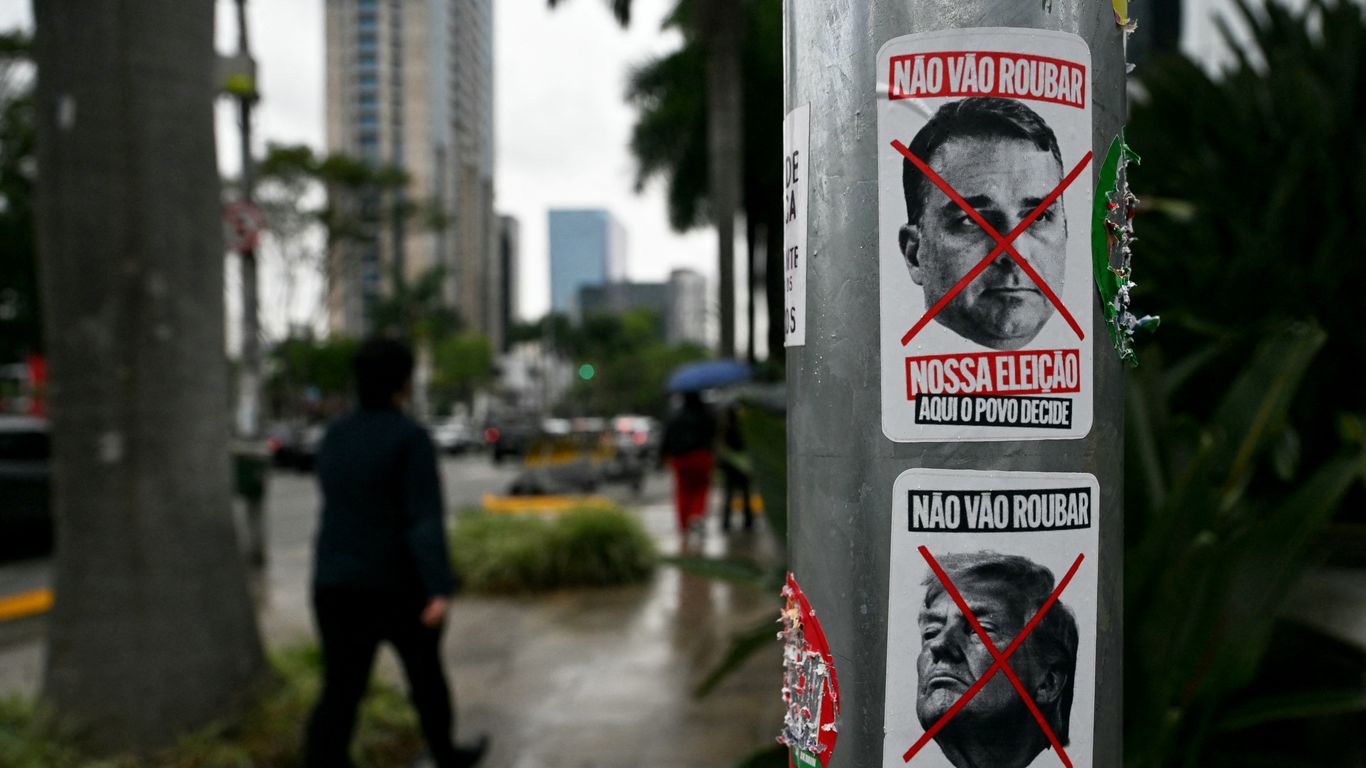
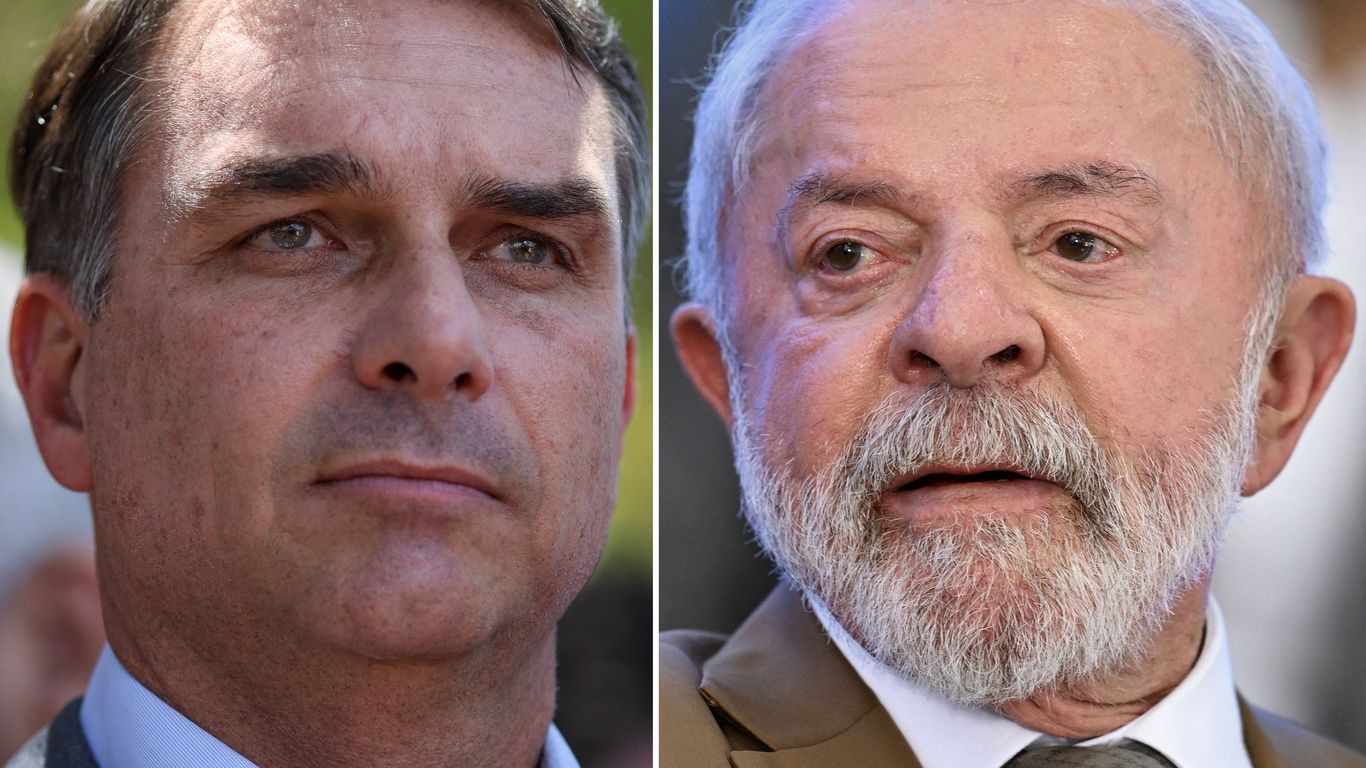
Reader Q&A: After Lula’s sensational victory in Brazil’s presidential election, post your questions for the Guardian’s Latin America correspondent (www.theguardian.com)
Judge Ana Reyes issued a preliminary injunction on Monday to stop further tree clearing on the East Potomac Golf Links, unless there is an imminent threat to public safety, while litigation is ongoing (on.wsj.com)
The Federal Reserve is expected to hold interest rates steady this week for reasons that have as much to do with what Fed officials have said as with what the economy is doing (on.wsj.com)
A U.S. court rejected a Trump administration request to immediately require California to set aside mail-in ballots it gets from 20,000 people the federal government says might not be U.S. citizens (on.wsj.com)
Allies worry Senate Majority Leader John Thune (R., S.D.) could get blamed by President Trump and others if Democrats win back control in the midterms (on.wsj.com)
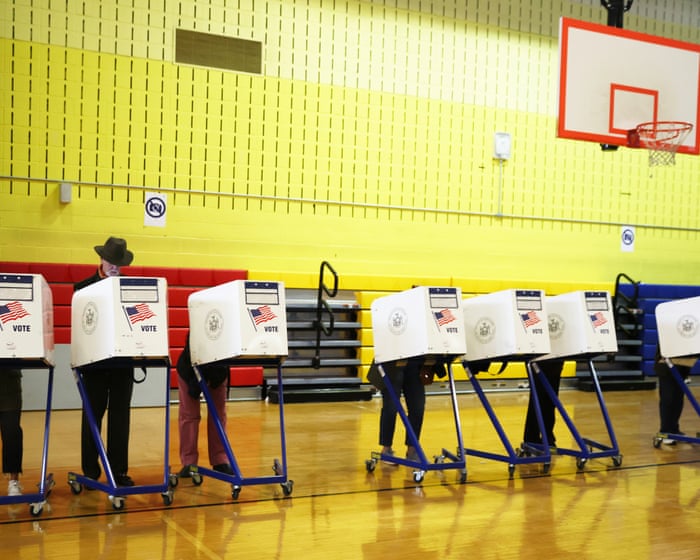
Dozens of data-center projects have already been delayed or disrupted by local opposition this year—here are four states to watch for on Election Day (on.wsj.com)
Can Democrats Win Back Labor? - Sherrod Brown, who built his career as an avatar of blue-collar frustration, lost his Senate seat as more and more working-class voters defected to Trump. Now he is looking for a comeback. (www.newyorker.com)
What I Would’ve Been Like If I Had Shopped at Abercrombie & Fitch Instead of Hot Topic in the Nineties - I would flirt by making eye contact and smiling instead of by staring off into the distance and scowling. (www.newyorker.com)
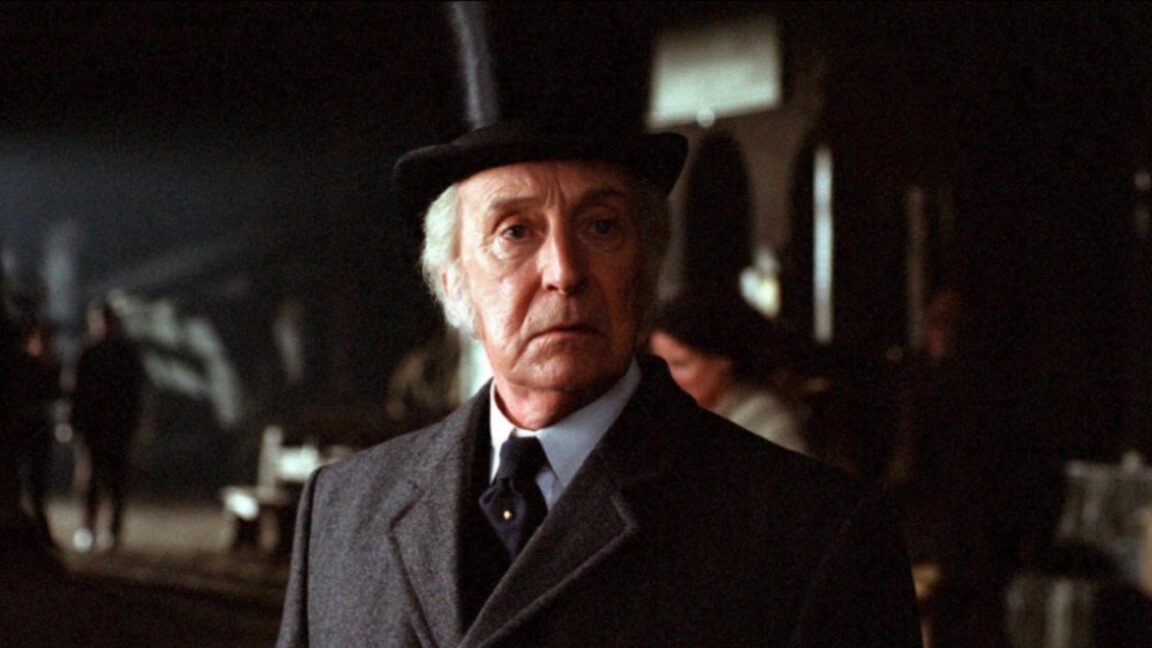
Shaken and Stirred by the Search for the Next James Bond - The question may be less who will inherit the mantle than who in his right mind would want to. (www.newyorker.com)
An Anxious Season for Muslims in Texas - Facing severe political attacks and threats, Muslim civil-liberties activists in Texas are urging their communities to vote. (www.newyorker.com)
Did Substack Fix the Internet? - A new book by Hamish McKenzie, the platform’s co-founder, argues that writers today are more empowered than ever. But online newsletters form their own kind of attention economy. (www.newyorker.com)
Charles Kushner and the MAGA Ambassador’s Playbook - Since taking up his post in Paris, Kushner has become known for lobbing provocations onto France’s domestic scene at sensitive moments. As he put it, “Nobody has the courage to say what I say.” (www.newyorker.com)
From the Battalion to Broadway - Alex Ekker served four years in the Marine Corps—then decided to be an actor. While sightseeing at the Empire State Building, he talks about his professional début in Aaron Sorkin’s “A Few Good Men.” (www.newyorker.com)
Love, Sex, and Existential Dread for a Gay Vampire in “Time to Go” - Renzo Cozza’s short film gives a classic monster a moral dilemma. (www.newyorker.com)
The Victoria & Albert Museum Expands, Twice - Two new outposts of the London institution make a vibrant case for handmade craft in an age of A.I. slop. (www.newyorker.com)
Letters from Our Readers - Readers respond to Nicholas Lemann’s report on California’s proposed wealth tax, Peter Hessler’s article about the Million Dollar Highway, Eyal Press’s piece about Justice Department lawyers, and Margaret Talbot’s essay about the global decline in fertility. (www.newyorker.com)
Daniel Humm’s Home Décor - The Eleven Madison Park chef surveys his cozy new restaurant in the West Village with the artists who decked it out, Rashid Johnson and Francesco Clemente. (www.newyorker.com)
A Pickpocket’s Guide to New York - Preparing to play a petty thief in a new movie, John Turturro learned the moves—“reefing the kick” among them—from Apollo Robbins, and observed how much stealing has in common with acting. (www.newyorker.com)
Did an Alternative-Medicine Guru Accidentally Kill Patients? - In Switzerland, Thomas Rau offers treatments that many conventional doctors would question. Now he’s accused of lethally negligent care. (www.newyorker.com)
Why the Broadway Musical Refuses to Die - Broadway once thrived on the collision of musical traditions. Now, amid jukebox shows and Hollywood adaptations, can it recover its creative daring? (www.newyorker.com)
The Gold Rush and the Making of Modern America - The best-selling author Nathaniel Philbrick sees links between eighteen-fifties California and the current A.I. boom. What can the history of the action-packed gold rush actually tell us? (www.newyorker.com)
How Jim Morrison Surmounted Tragedy and Skied Down Everest - The mountaineer and his partner, Hilaree Nelson, planned a first-ever descent. After her death, he pushed on. (www.newyorker.com)
“Wall Cano,” by Souvankham Thammavongsa - I didn’t know what homework was. And since my parents had never gone to school themselves, they never asked me about it. (www.newyorker.com)
The Political Upstarts That May Decide Israel’s Election - Frustrated with the polarization of the Netanyahu era, voters look for ways to create change. (www.newyorker.com)